

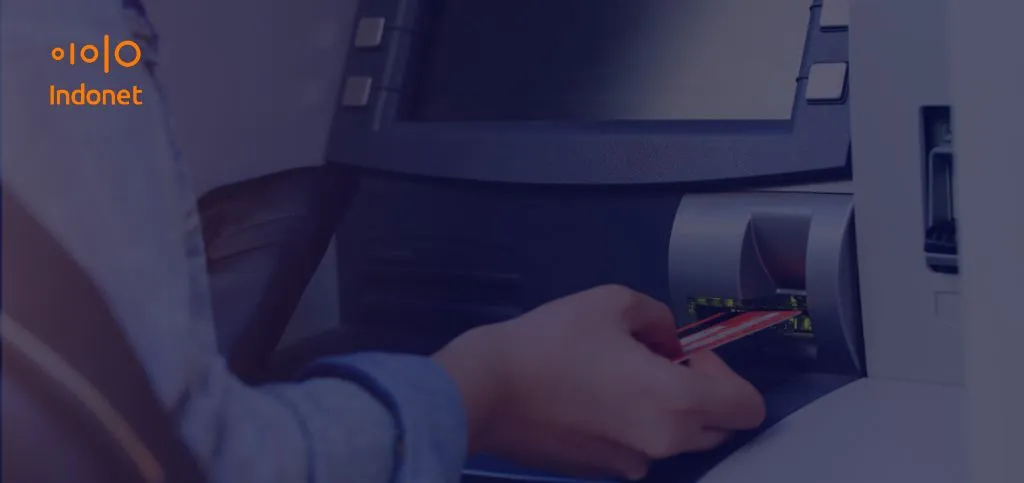
The Very Small Aperture Terminal (VSAT) technology is increasingly being used to ensure secure and reliable connectivity for Automated Teller Machines (ATMs). This technology enables ATMs to operate in remote locations with limited infrastructure, allowing financial institutions to expand their reach to customers across vast regions.
VSAT for ATMs plays a crucial role, especially for communities in rural or isolated areas. By bridging connectivity gaps, VSAT contributes to financial inclusion—bringing digital banking services to populations previously disconnected from internet access.
So, how exactly does a VSAT network solve this challenge? Let’s dive deeper into how it works and why it’s essential for the banking industry.
How Does VSAT Work?
VSAT (Very Small Aperture Terminal) is a satellite communication technology that uses small antenna terminals to send and receive data to and from a satellite. The satellite then relays the signal to another point, enabling communication over long distances where traditional terrestrial networks are unavailable.
Unlike conventional satellite systems, VSAT acts as a signal booster, providing broad communication coverage—especially beneficial in geographically challenging regions.
Here’s how it works:
A transmitter modem converts data into radio signals tailored to the satellite’s frequency. The antenna then transmits these signals to the satellite. Once received, the satellite processes and retransmits the data back to Earth, where a receiving modem converts it into readable digital information.
In addition to banking, VSAT can support various forms of communication such as internet access, voice calls, video conferencing, and data transmission, making it a flexible solution for enterprises in remote areas.
VSAT Implementation for ATMs
In the financial sector, VSAT is deployed to establish secure communication links for ATM networks—particularly in regions where cable-based connections are unavailable or prohibitively expensive.
This setup enables banks to provide ATM access in underserved areas by connecting the remote ATMs directly to the bank’s main server via satellite. As a result, transactions are processed in real-time, ensuring consistent service regardless of location or terrain.
By leveraging VSAT, financial institutions can ensure high uptime, operational continuity, and secure data transmission for every ATM transaction.
Advantages of VSAT in the Banking Industry
- Reliable Connectivity
VSAT provides a stable internet connection in areas where traditional telecommunications infrastructure is limited or unreliable, ensuring ATMs remain connected to the central banking system at all times. - Data Security
VSAT connections can be encrypted, safeguarding sensitive information such as account details and transaction data between ATMs and the bank’s data center. - Scalability
Banks can easily add new ATMs without the need for costly cable installations. This flexibility supports rapid network expansion with lower capital investment. - Remote Management
Through VSAT, banks can monitor and manage ATM networks remotely—performing system updates, health checks, and troubleshooting without dispatching technicians to the site. - Faster Transactions
VSAT ensures responsive and seamless data transmission, allowing customers to experience quick and uninterrupted ATM services.
How VSAT Expands Internet Access in Remote Areas
Beyond its use in banking, VSAT networks play an essential role in expanding internet access to rural or geographically isolated communities.
- Extensive Coverage
Using satellite communication, VSAT can reach areas where terrestrial fiber or cable networks cannot. This ensures that people and businesses—even in the most remote regions—can access digital services and information. - Ease of Installation
VSAT systems are quick and straightforward to deploy, making them ideal for remote locations where setting up ground infrastructure would be time-consuming and costly. - Cost Efficiency
Although the initial installation cost may be higher than traditional wired networks, VSAT’s low maintenance and operational costs make it a cost-effective solution in the long run.
The Advantages of VSAT for Remote Communication and Internet Access
VSAT networks not only enhance internet connectivity in remote areas but also provide resilience for disaster recovery operations, ensuring continued communication during emergencies. Its ability to maintain a stable connection even in extreme conditions makes VSAT a dependable backbone for both commercial and public services.
VSAT Solutions from Indonet
For banks and enterprises seeking the most reliable VSAT network, Indonet stands out as a trusted provider. Established in 1994 as Indonesia’s pioneer in digital infrastructure, Indonet offers tailored connectivity solutions that meet the dynamic needs of modern businesses.
With its strong reputation as an industry benchmark, Indonet continues to deliver significant value through integrated infrastructure that connects multiple platforms, data centers, and global cloud service providers.
Through ongoing innovation and a commitment to expanding access—even in remote regions—Indonet’s VSAT services enable businesses and financial institutions to maintain stable, secure, and nationwide connectivity.